Death & Grief Care
In many indigenous cosmologies, dying is opening a path and death is not an ending. It’s a transformation of relationship.
The dead do not disappear, they change their way of being with us. They remain present in memory, in the body, in dreams, in land, in ritual and in the ways we continue to speak their names and honor them. People are not afraid of dying, they are afraid of being forgotten. This page is dedicated to death work rooted in remembrance, presence and relationship.
In indigenous death work, I am specialized in creating space for closure and altar and shrine building and I create ceremonies to say goodbye and collective acts of remembering as ways to honor our dead and tend to the grief as a living process.
Shrine building is not decoration, it’s a practice of intention and attention and a way of saying: You are not forgotten, you still belong.
While in the west and in the Eurocentric paradigm the moment you are dead you are forgotten and even erase from the visible realm, in indigenous and vernacular traditions, caring for the dead is part of caring for the living. Reintegrating the dead in the visible realm and honoring them and creating a space for new forms of conversations to unfold.
the shrines or altars I build are spaces of connection between worlds, between generations, between the visible and the invisible. they hold, objects, nuts, water, fabric, offerings. These spaces invite slowness, listening and reverence. They allow grief to be witnessed, and remembrance to become collective.
Death & Grief Care is an invitation to remember, to honor, to restore relationship with the dying, the dead and the grief they let us with. In Eurocentric paradigm, it’s relearning how to live in right relationship with death, with loss and with those who came before us, which we must always honore.
Saying Goodbye: A guided process for those approaching death
There are goodbyes that remain unspoken. Conversations postponed because they feel too difficult, too tender, or too overwhelming.
And yet, many people nearing death carry a deep desire: to speak, to gather, to remember, to bless, to ask, to release, to prepare.
Saying Goodbye is a companioning space for people who are dying and wish to consciously move through the process of farewell with the people they love.
Held over a minimum of five meetings, this process creates space for what needs to be spoken, felt, witnessed, or ritualized before death.
Together, we may explore:
Conversations with loved ones
unfinished words or relationships
grief and anticipatory grief
memory sharing and storytelling
rituals of transition and blessing
preparing emotional and relational closure
creating intentional moments of gathering
fears, tenderness, and meaning-making
Each process is different. Some meetings may involve family members or close friends. others may remain intimate and one-on-one. My role is not to force resolution or positivity, but to gently facilitate a space for honesty, complexity, love, grief and transition.
The process takes place online or in person in Lisbon when possible.
If a loved one or yourself is approaching the end of life and wish to explore this space, you are welcome to reach out. Use the contact box completely below.
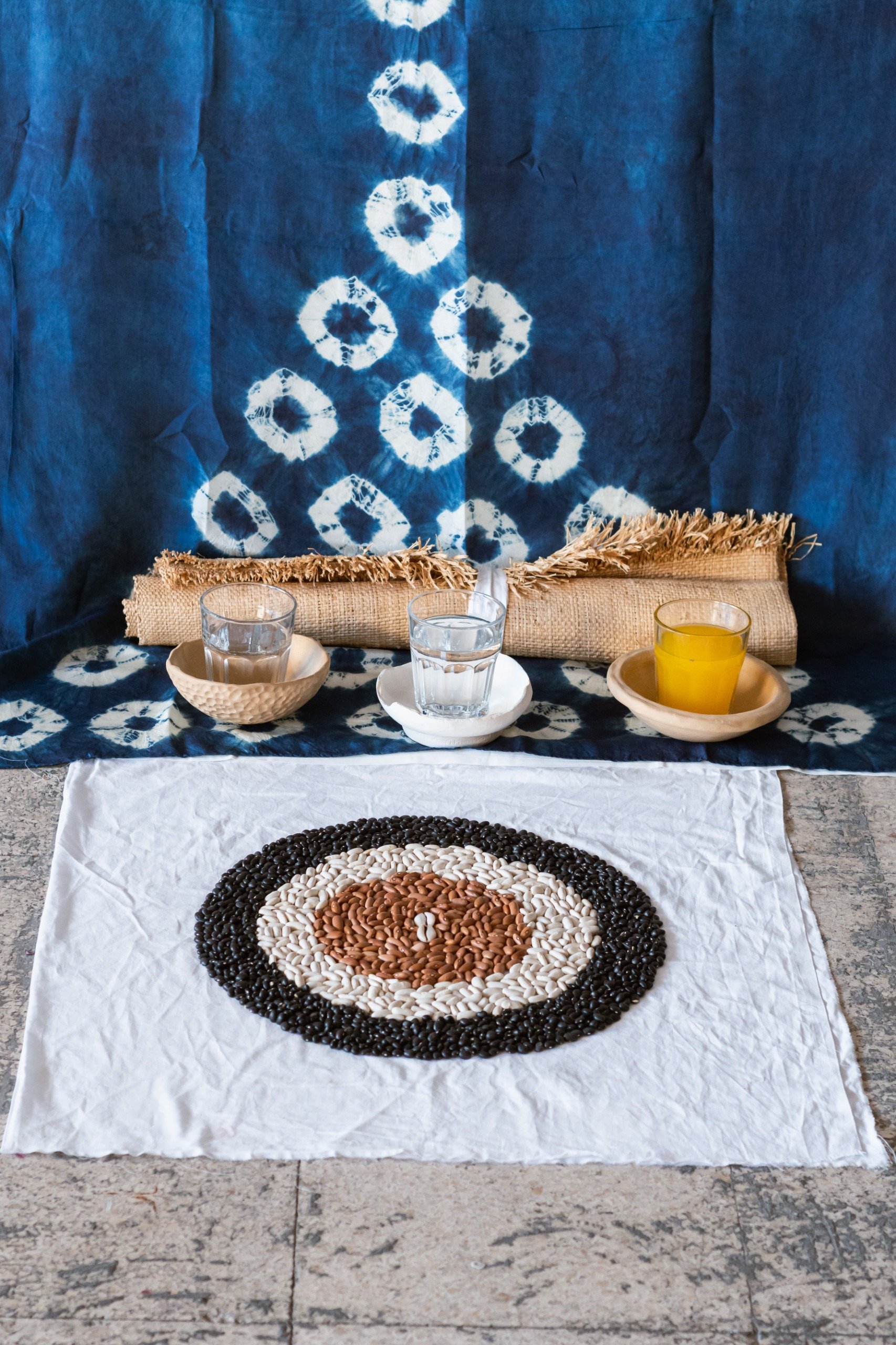
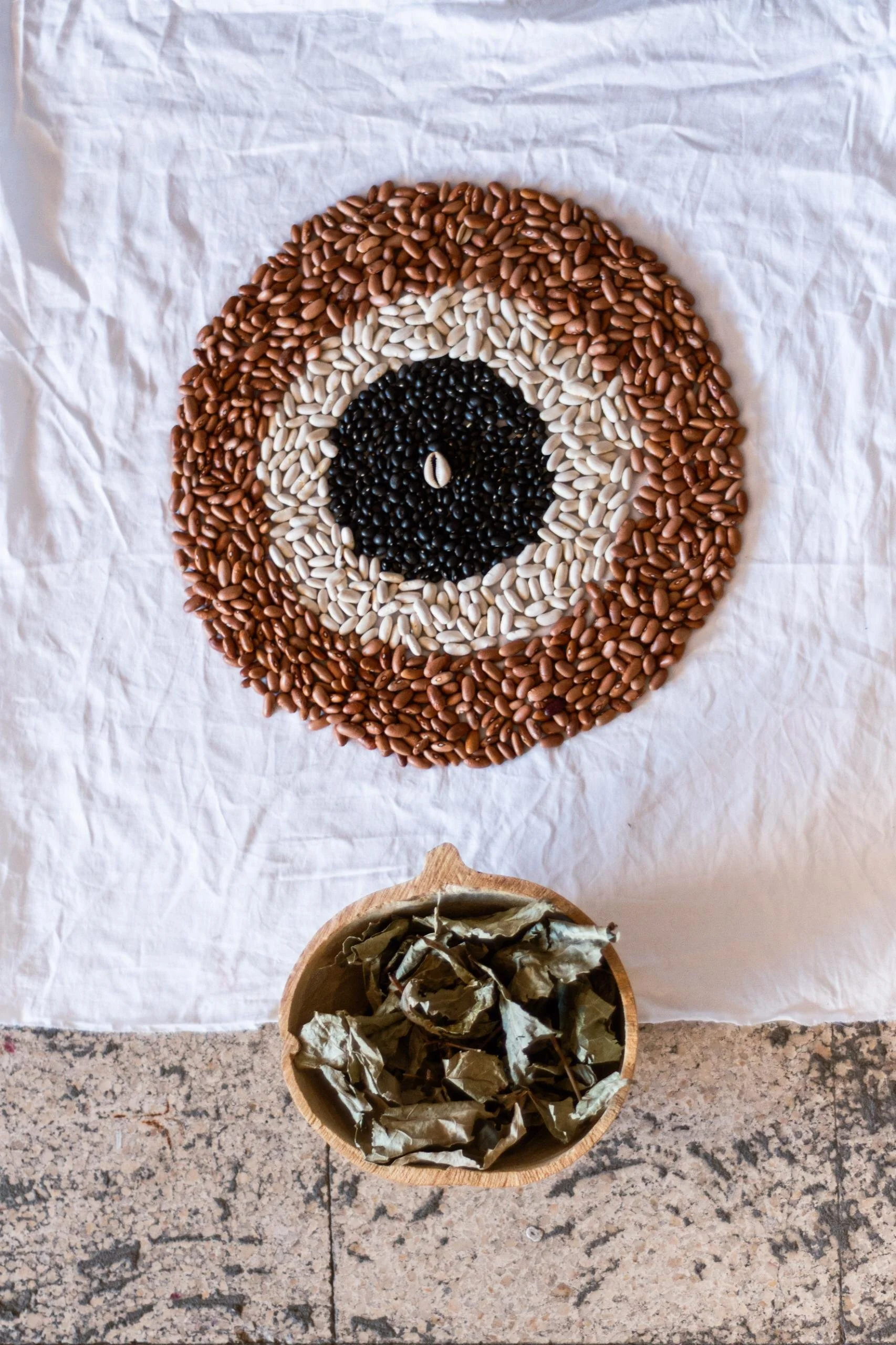
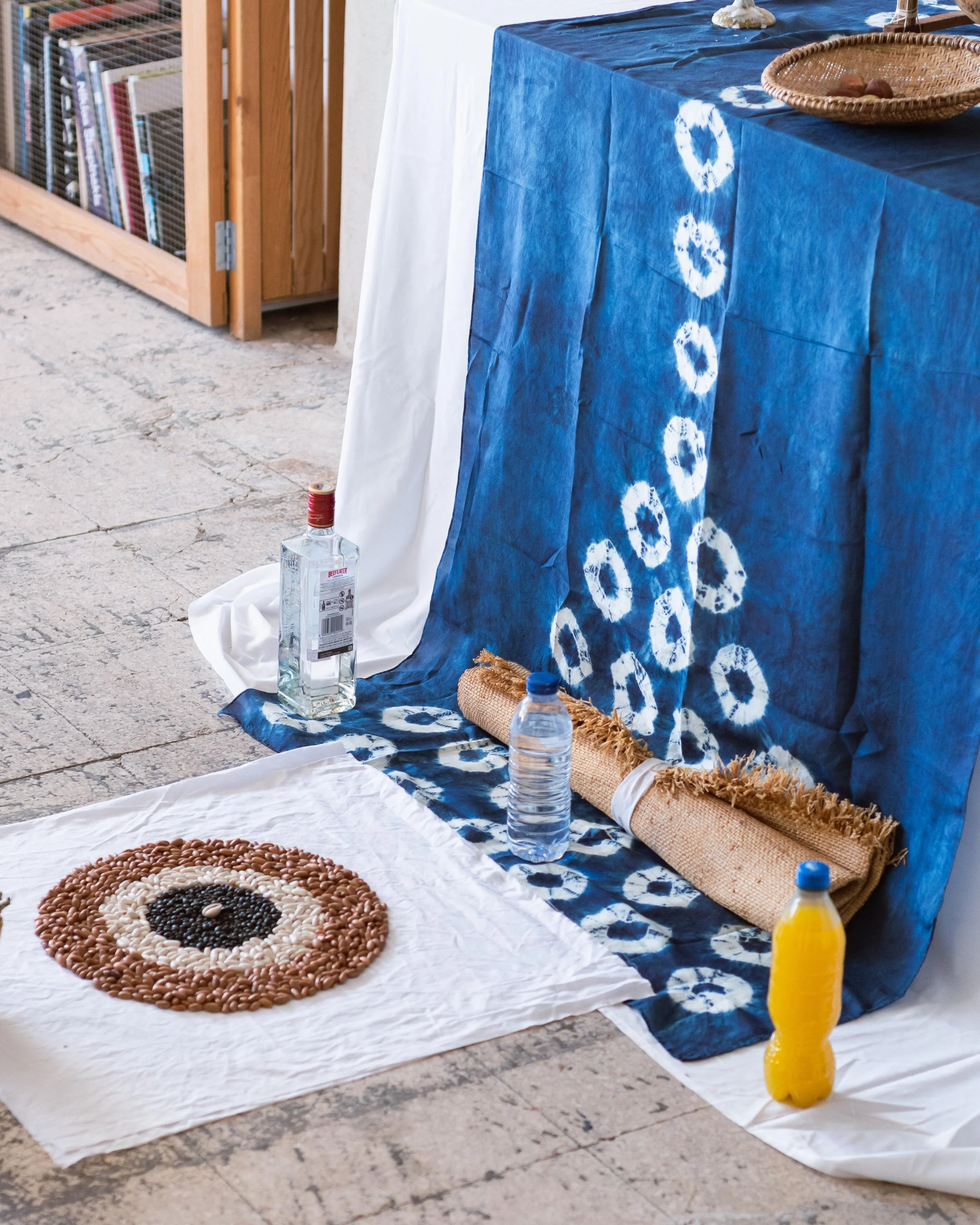
Photos by Francesco Gaviano
Altar Building How it works
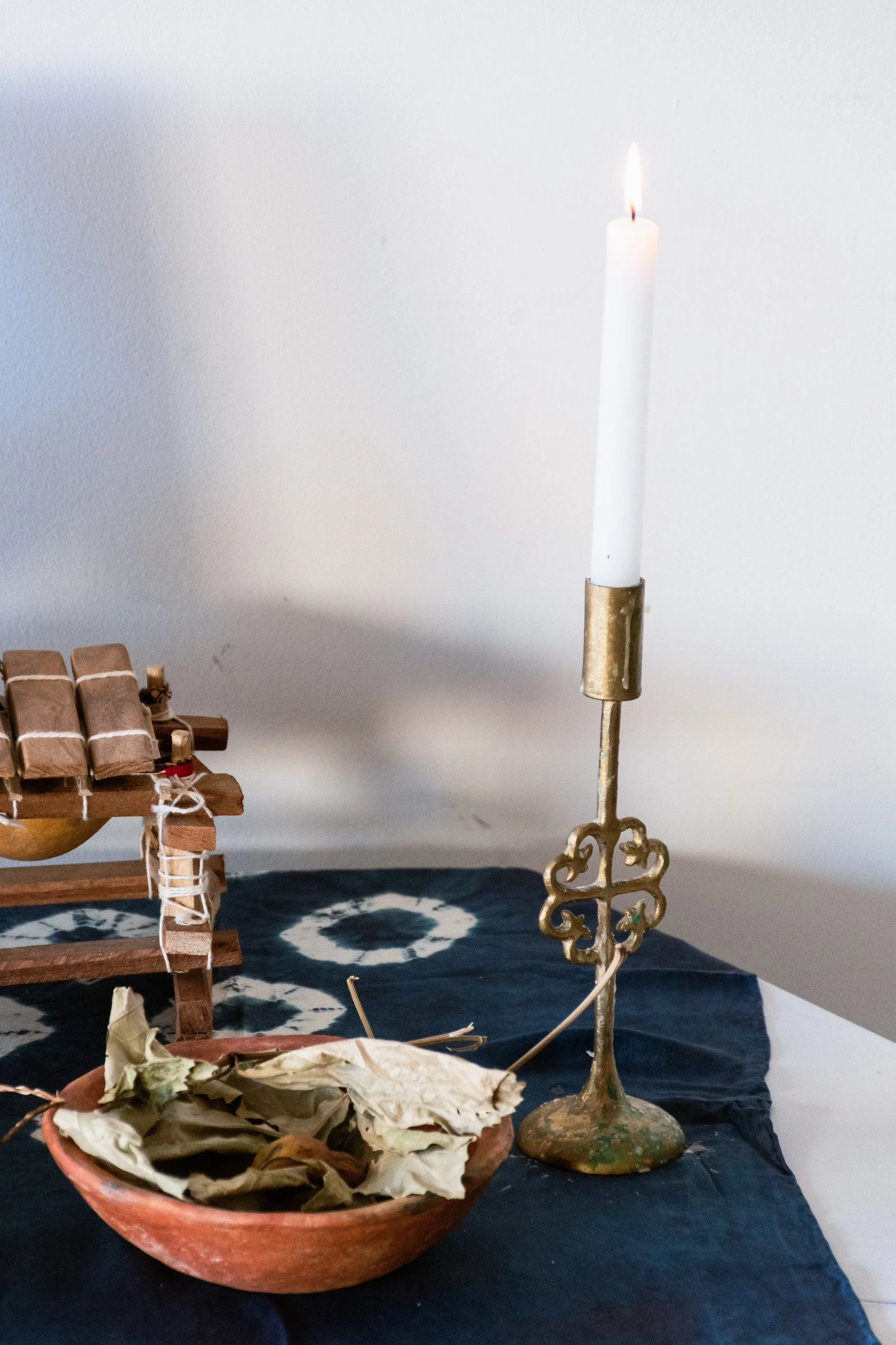
The process may include:
an initial conversation to understand the context and intention
Guidance on materials and elements (what to gather…)
the building of the shrine together or on your behalf
a simple ceremonial moment of remembrance, if desired
guidance on how to ten or close the altar over time
This work can take place:
in private homes
in community or collective spaces
in public spaces (for a public mourning or memorial moments)
during gatherings, workshops or memorial moments
Options
OPTION 1: SHRINE ACCOMPANIMENT
(I guide you, you build)
Includes:
One preparatory conversation
Guidance on altar elements
ceremonial orientation
Guidance on the maintenance
Fee: 450 Euros TTC
OPTION 2: SHRINE ACCOMPANIMENT
(I build/ Co build the shrine)
Includes:
One preparatory conversation
Altar design and creation
a ceremonial moment of remembrance
Guidance on maintenance
Fee: 850 Euros TTC
OPTION 3: A COLLECTIVE ANCESTRAL SHRINE
A collective shrine for many ancestors
Includes:
Preparation and collective intention-setting
the design and creation of a living shrine for many ancestors
ritual gestures and offerings to establish and tend a collective ancestral presence
Price Upon request
OPTION 4: COLLECTIVE & PUBLIC REMEMBRANCE SHRINES
(For groups, events, memorials and public figures)
For:
community or collective gatherings
public or institutional spaces
memorials and commemorative events
honoring the life of a public or widely known person
This work responds to the social, political, an spiritual dimensions of collective grief.
Pricing is discussed case by case, based on context, scale, preparation, and materials.
Please note:
This price does not include materials and does not include travel costs, particularly for work outside of Lisbon. These elements will be discussed with care and clarity beforehand, based on the specific context of the altar.
Ethics of the Work
Shrine and Altar building and ceremonial accompaniment are relational and spiritual practices. It is a work that is guided by ethical responsibility to the dead, the living, the land, and the traditions that inspire it. It asks for respect, slowness and an openness to relationship rather than consumption.
This offering is not
Therapy
crisis intervention
religious conversion
spiritual performance or entertainment
art installation
aesthetic production
Requests are approached with discernment, and I may decline invitations that would compromise the integrity of the work or risk appropriation, harm, or simplification.

Let’s say goodbye or co-build a shrine
You are invited to share a few details below. I will be in touch with care and attention.